Tallinn Summer School — Design Systems in Figma
- Project allinn Summer School — "From Atom to Products: Developing Design Systems in Figma"
- Date July 2026
- Services Tallinn University, Estonia 🇪🇪
- Location Tallinn, Estonia
- Platform Figma, Tokens Studio, W3C Design Tokens
- Role Participant / UX Designer
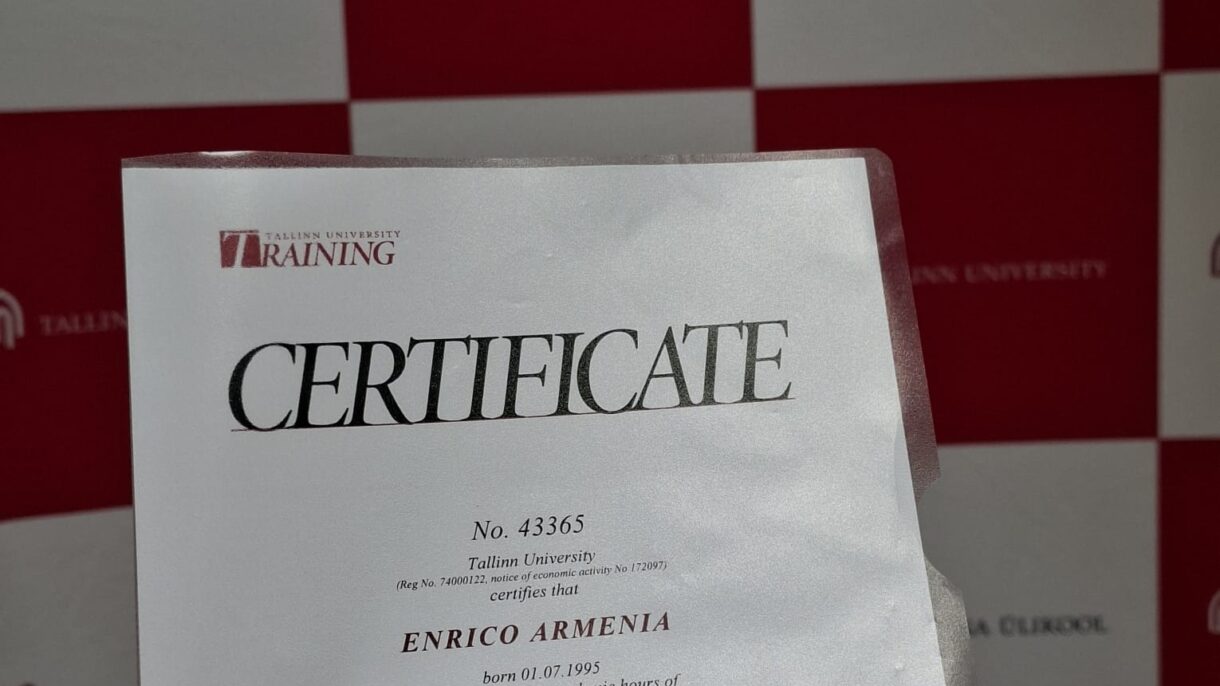
In July 2026 I attended an intensive summer school at Tallinn University focused on building scalable, component-based design systems in Figma — from atomic tokens to full product patterns. I used the course as an opportunity to apply the methodology directly to Path Abroad, my own EU mobility consulting project, turning coursework into a real, reusable design system.
Strategy
Rather than working with a generic training brief, I anchored every exercise to a live project — Path Abroad, my international mobility consulting service. This meant every token, component, and layout decision had to hold up against a real use case, not just a classroom exercise.
Design
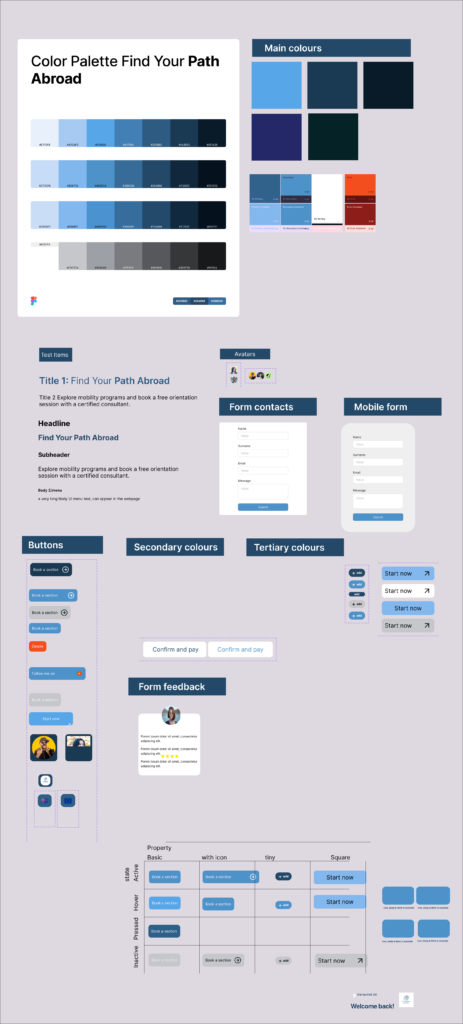
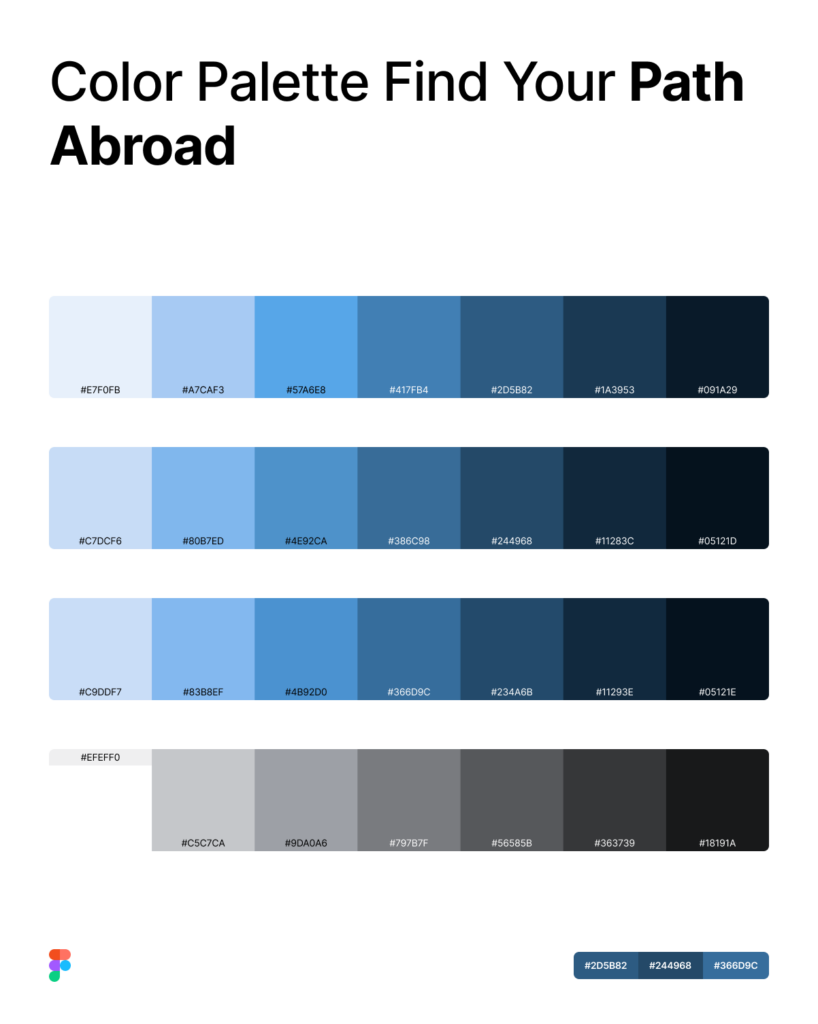
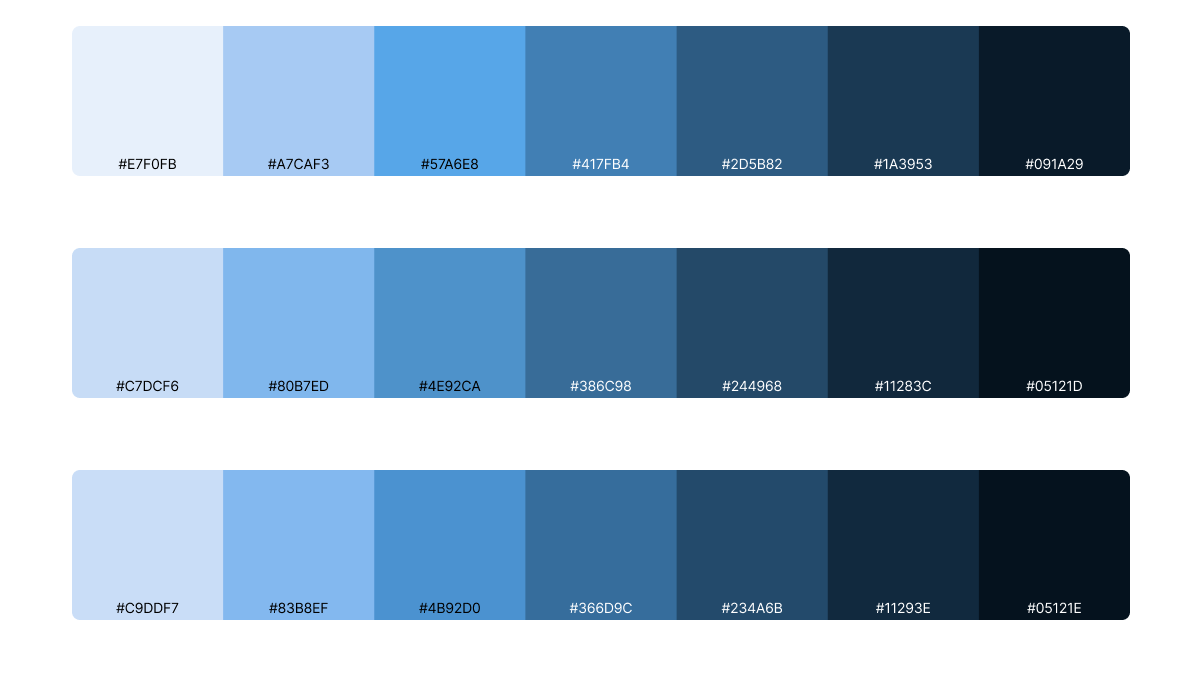
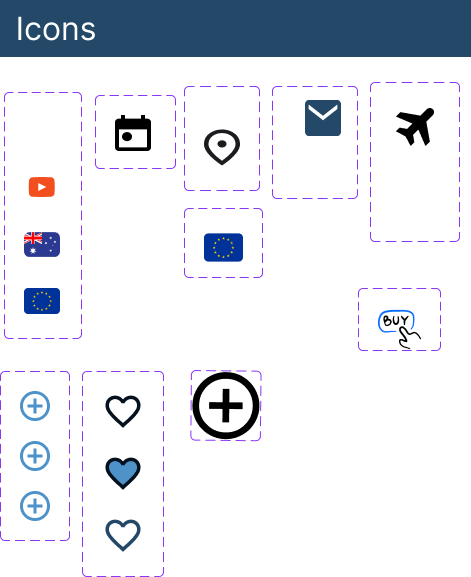
Starting from the Path Abroad brand mark, I built a full color token system in Figma using semantic naming (color/primary, color/bg-surface, color/text-secondary) instead of raw values — with #2D5B82 as the primary blue, plus a supporting scale of light blues, whites, and greys. I extended this into a typography scale, spacing tokens, an icon set, and a 12-column grid, all set up as W3C-compliant Figma variables so they could be exported and reused across other tools via Tokens Studio.
Meta box
Program Tallinn Summer School — “From Atom to Products: Developing Design Systems in Figma” Date July 2026 Location Tallinn University, Estonia 🇪🇪 Tools Figma, Tokens Studio, W3C Design Tokens Role Participant / UX Designer
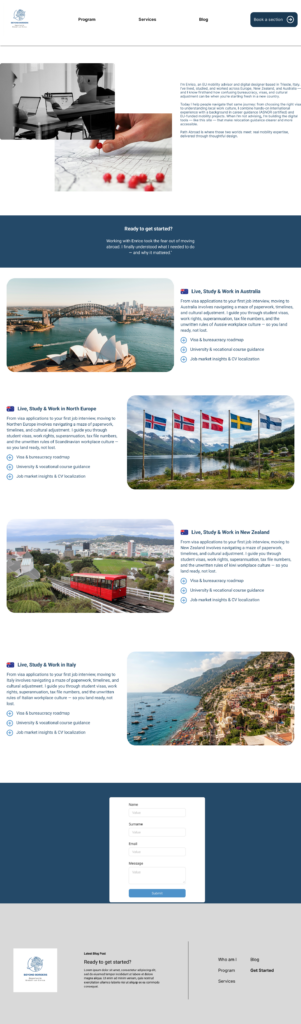
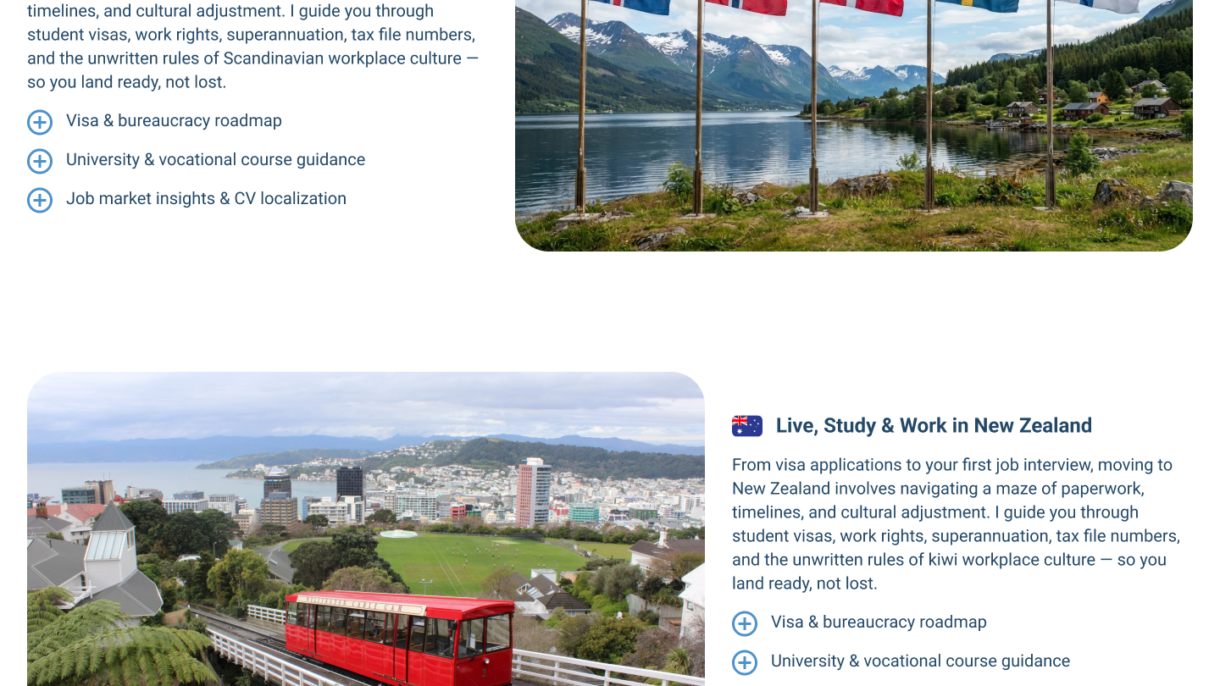
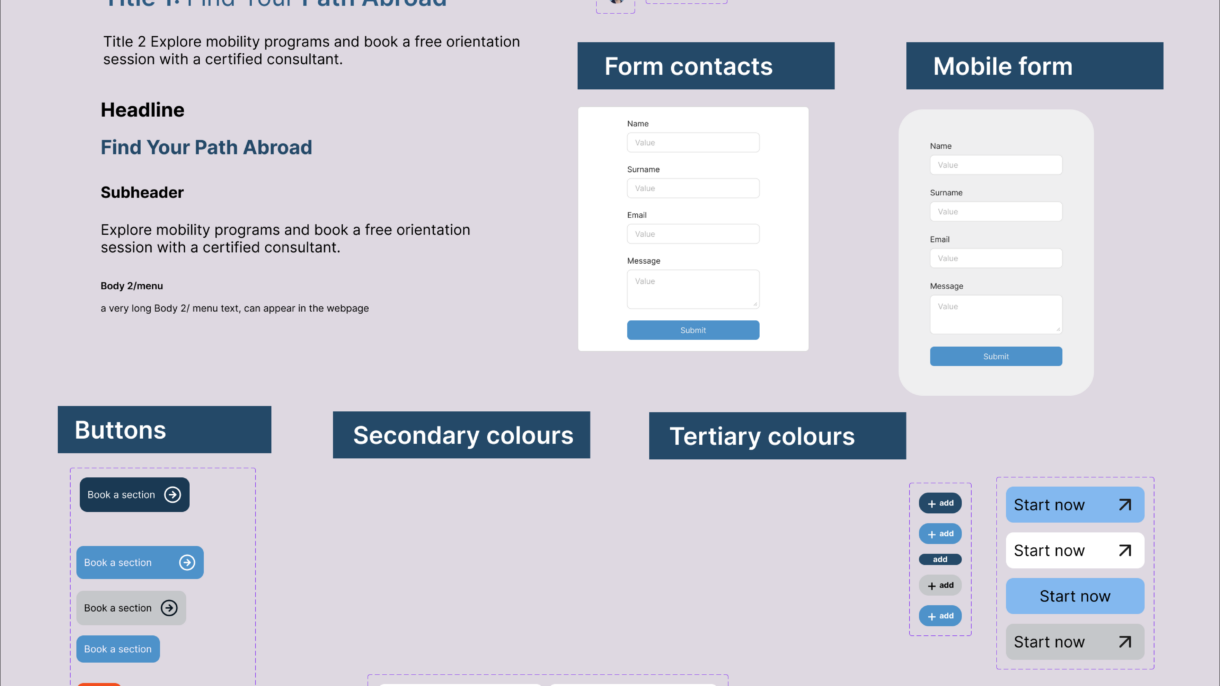
Following atomic design methodology, I moved from base atoms (colour, type, spacing, icons) to components (buttons, badges, form fields) and finally applied the full token set to two real prototype screens for Path Abroad: the homepage and the “About + Destinations” page, covering Australia, Northern Europe, New Zealand, and Italy. Every colour, button state, and icon on these screens comes directly from the token library rather than one-off values — proof that the system holds up across full, content-heavy layouts, not just isolated components.
Outcome
The result is a working, documented design system I can keep extending as Path Abroad grows — and two fully designed prototype pages that put it to the test. It’s a concrete example of how my UX/UI skills and my EU mobility consulting work reinforce each other: I don’t just advise on international careers, I build the digital tools that support them.
Tallinn also gave me a first-hand look at Estonia’s startup ecosystem — from Lift99 to e-Residency — feeding directly into the research behind Path Abroad’s Northern Europe positioning.